
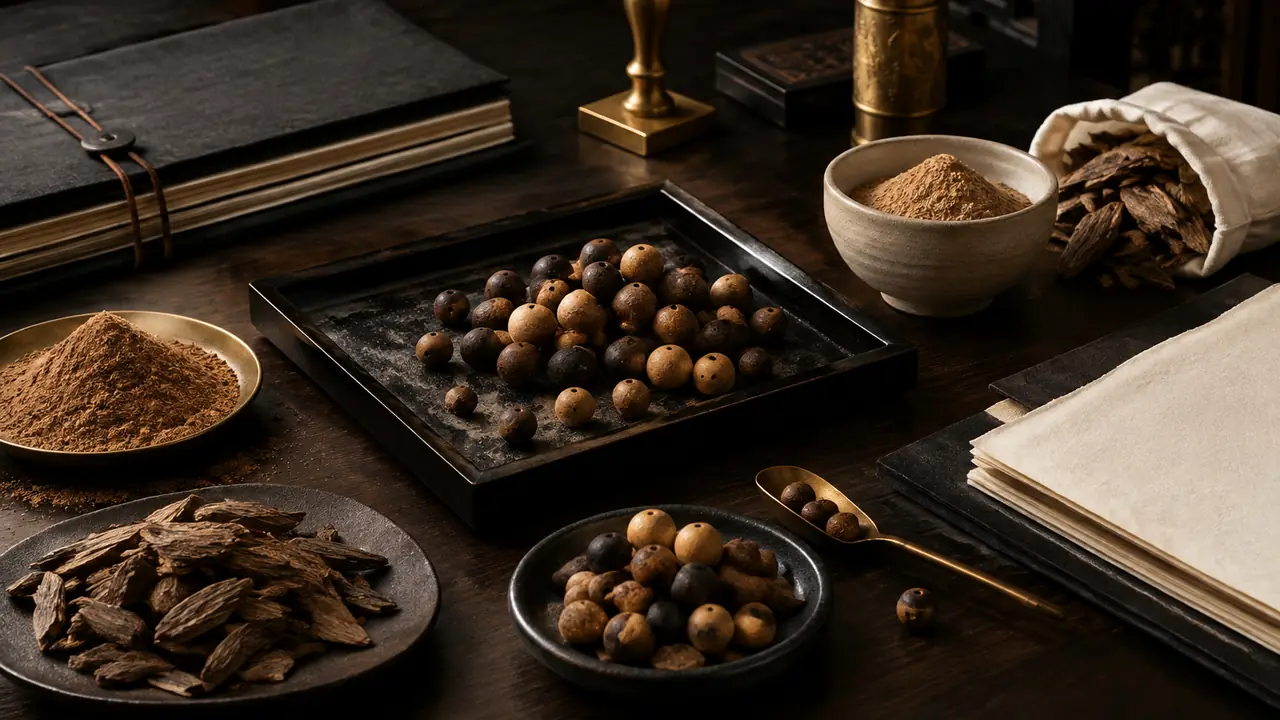
The basic structure of a US import
Every commercial import needs an importer of record, who is legally responsible for the entry. In most cases the importer works with a licensed customs broker, who files the entry electronically, and holds a customs bond that secures duties. For ocean freight, an advance security filing is submitted before the goods are loaded, so the broker needs the shipment details early. Typical sea transit to the US West Coast is 15 to 25 days, with air at 5 to 10 days; these are listed on logistics and shipping. The order of work matters: appoint the broker, agree classification, assemble the documents, and only then ship.
The checklist
| Item | What to settle | Who usually owns it |
|---|---|---|
| Importer of record and bond | Registered importer, broker, bond arrangement | Buyer |
| Tariff classification | Ten-digit US line built on the HS code; reference codes 3307.41, 4420, 7117 | Broker, with the desk |
| Agarwood (CITES) | Export permit per lot; wildlife import declaration and port rules; check with the competent agency | Exporter, importer, broker |
| Plant products | Whether a plant import declaration applies to the wood or powder | Broker |
| Metal findings | Material declaration; lead and cadmium rules; CPSIA if a children's product | Desk, importer |
| Ingredient declaration | Botanical list; no synthetic fragrance oil in standard spec | Workshop, desk |
| Labeling | Country of origin marking, product identity, importer details | Buyer |
| Claims review | Sensory wording; no health claims | Buyer |
| Duty and fees | Rate for the code; processing fees; landed cost | Broker |
| Commercial documents | Invoice, packing list, bill of lading or air waybill | Desk, forwarder |
Step by step
- Choose the broker first. Brief them on the product: botanical beads on cord, some with metal findings, sold as bracelets. Ask for their classification and the document set they will need.
- Settle the wildlife question for agarwood. Aquilaria is in CITES Appendix II, so the exporting country issues a permit per lot. In the US, wildlife imports are also subject to declaration and port-of-entry rules enforced by the relevant agency; ask the broker whether your product falls within them. See CITES and agarwood.
- Check plant-product rules. Some plant products require an import declaration describing the species and country of harvest. Ask the broker whether it applies to wood powder and finished beads, and give the desk the required details early so the origin statement is ready. Sandalwood origin handling is in sandalwood legality and sourcing.
- Collect the metal documents. The US system names lead and cadmium rules in connection with CPSIA, especially for children's products, and some states add their own jewelry rules. Ask for material declarations and, where your adviser says so, reports. See metal findings compliance.
- Mark and label. The country of origin must be marked on the goods or their packaging in the manner the rules require. Add product identity and importer or seller information as your adviser recommends.
- Review claims. Listings that suggest health effects can draw the attention of advertising regulators. Follow health claims on incense products.
- Ship a pilot. One modest lot tests the full document chain.
Is it a children's product?
This single question changes the burden. A bracelet designed and marketed for adults sits in a different position from a small charm designed for children twelve and under. The decision depends on design, size, marketing, packaging and the likely user, not on a label. If the product could plausibly be read as a children's product, plan for the stricter route from the outset: testing by an accredited laboratory, and the certificate the rules require. If it is an adult product, document that intent in the design brief and the marketing. Either way, do not assume the answer; ask your adviser and write down the conclusion.
Where shipments get stuck
- Wildlife paperwork incomplete. Agarwood goods held because the permit, declaration or port requirements are not met.
- Origin marking missing. Goods or packaging without a compliant country marking.
- Classification mismatch. Bracelet described as wooden ornament on the invoice and as jewelry on the entry.
- Late filing. Advance filings sent after loading.
- Express route for controlled goods. Small parcels with agarwood delayed or refused.
Duty and cost
Duty follows the ten-digit classification and the country of origin; additional duties and trade measures may apply and have changed frequently. The desk does not quote rates. Ask your broker for the landed cost of the exact SKU, including processing fees and bond costs, and compare quotes on the same basis. Declare the true transaction value; understated values are a serious problem. For low-value parcels, rules on duty-free thresholds have been revised repeatedly, so check the current position before building a business around them.
Selling after import
Clearing customs is not the end of the compliance work. Once the goods are in the country, the seller is responsible for how they are described and sold. Marketplaces and retailers often ask for ingredient information, test reports for metal parts and proof of lawful origin for wood products, and may remove listings that lack them. Product pages should carry the same material description as the entry documents, and the care card should avoid effect claims. Returns and complaints about skin reaction should be logged, with the lot number, so that a pattern can be traced back to a component. Keeping a retained bead and a copy of the lot documents for each shipment makes these questions easy to answer. Packaging options that suit US retail are described on packaging and gift boxes.
Samples and trade shows
Samples cross the border under the same rules as commercial goods, although the entry process can be simpler for small, low-value consignments. They are still subject to the wildlife rules if they contain agarwood, and the description must be accurate. Samples brought to trade shows or shown to buyers should be declared consistently, and any left behind or sold become imports in their own right. Ask the desk to include the ingredient declaration and permit reference with every agarwood sample, even when you intend to give it away.
Preparing the file
Keep, for every lot, the invoice, packing list, transport document, ingredient declaration, agarwood permit where relevant, test reports for findings and a classification note. The record is useful for audits and for repeat orders. To start, send the line, quantity and port of entry through the quote form; the desk will list the documents for your product and confirm them in writing. Reference timelines are on MOQ and lead time.