
Why the numbers look like this
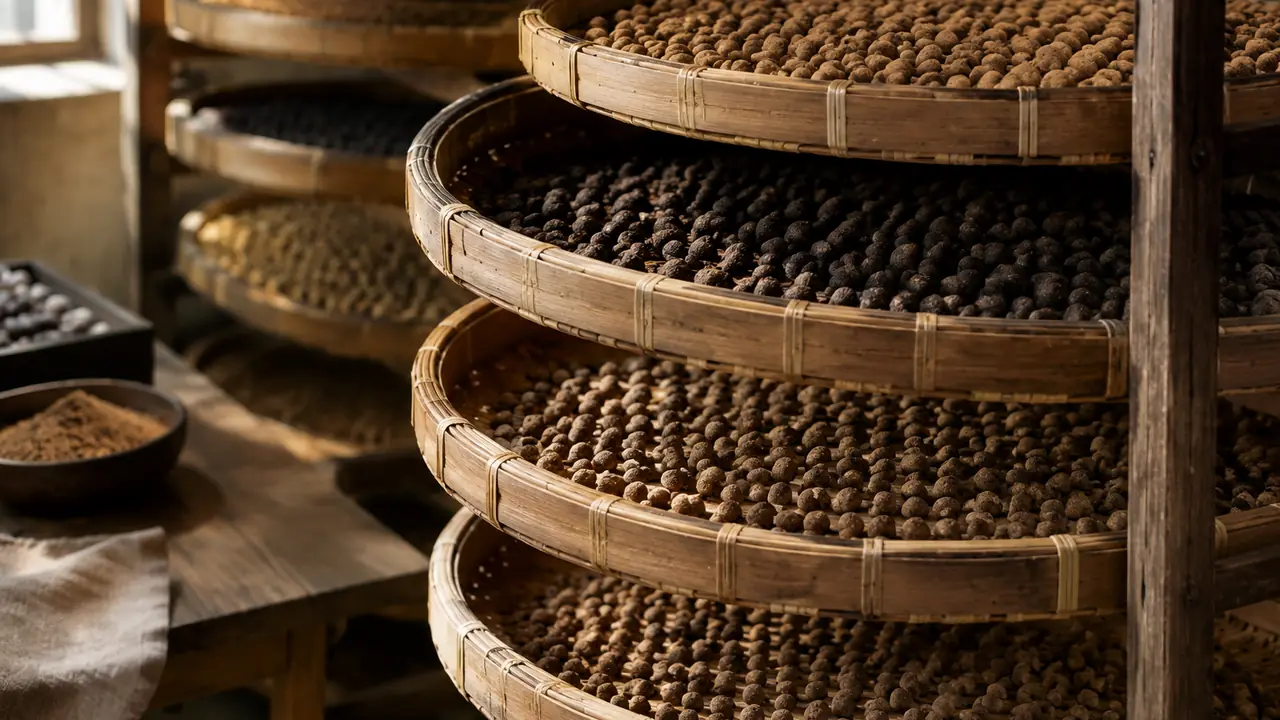
Most incense beads are shaped by hand. Powder is milled by machine, but blending the dough, resting it for about a day, rolling each bead to weight, piercing it and drying it in the shade are manual, and the drying step cannot be hurried. A bead pushed through a hot oven cracks or loses scent, so partner workshops dry in cool, ventilated rooms, often held near 25 C and 60% relative humidity, for five to ten days, turning the beads along the way. That is why minimums are measured in pieces per design rather than thousands, and why even a small lot has a minimum calendar. The full sequence is on how incense beads are made.
The ranges below are typical reference figures drawn from common workshop practice. They are not quotations. Each program receives a written confirmation of its own minimum, price basis and calendar.
Reference ranges at a glance
| Program type | Typical minimum | Sample time | Batch time |
|---|---|---|---|
| Stock bracelets | 50-200 pieces per design | 5-10 working days | 15-25 working days |
| Private label (engraved tablet, tags, boxes) | About 300-1,000 pieces per design | 5-10 working days for stock parts; longer with custom parts | 25-40 days |
| Custom formula | About 500 pieces and up, including sample rounds | 15-25 days, including drying and aging | 40-60 days for a classical formula |
| Loose beads (DIY, jewelry) | 1-5 kg per bead size | 5-10 working days | 15-25 working days |
| Incense gift boxes (sticks, pills) | 200-500 boxes | Packaging sample approved first | 25-40 days |
| Samples | A few pieces per design | 5-10 working days stock; 15-25 days custom | Not applicable |
Stock refers to designs the partner workshops already hold or roll regularly. Anything that changes the formula, the bead size or the packaging moves the program into a longer category.
What drives the clock
- Hand-rolling. A skilled worker rolls a limited number of beads per hour. Large quantities need more hands or more days.
- Drying. Five to ten days in the shade, with turning. Thicker beads and wetter weather take longer.
- Aging. After polishing, beads are sealed in jars so the scent settles. For classical formulas such as the pear version, this is a major part of the calendar.
- Sampling rounds. Each change to the formula needs a new drying cycle, so a round is measured in weeks, not days.
- Packaging. Printed boxes and lacquer-style finishes add their own production time and approval steps.
- Documents. Agarwood needs CITES paperwork, which is applied for separately and can run in parallel with production.
Why minimums are counted per design
Setup work is the same whether a design is made once or many times: choosing the powder, mixing the batch, making or adjusting a mould, setting up the printing or engraving. A design with a different bead size, scent or logo repeats those steps. Minimums are therefore counted per design, not per order. A buyer who wants three scents at 100 pieces each is treated as three designs, even if they ship together. Some savings are possible: several bead sizes in the same formula can share a mix, and several designs can share packaging when the artwork allows it.
Reading the ranges for your program
Take a fragrance brand that wants two bracelet scents from stock, 100 pieces each, in plain pouches. That sits at the stock end of the table and could move quickly. Take a corporate buyer who wants an engraved tablet and a printed gift box in several hundred sets. That is a private label program, with a mould, a box proof and a longer calendar. And a brand that wants its own formula with a different share of agarwood falls into custom formula, which includes at least one sample round with drying and aging. The pages on private label and custom blended incense explain each in more detail. For loose beads by weight, see loose incense beads.
Confirmed in writing
Every program receives a written confirmation with the minimum per design, the sample plan, the batch calendar, the formula sheet and the packaging specification. Changes after the sample is approved, such as a different bead diameter or a new logo, are handled as variations and may reset the calendar. The desk reports slippage early and does not hide it, because a late batch usually traces back to weather during drying or a late approval, and both are easier to manage when raised promptly. Total delivery time is the production calendar plus shipping, which is covered on the logistics page.